No products in the cart.
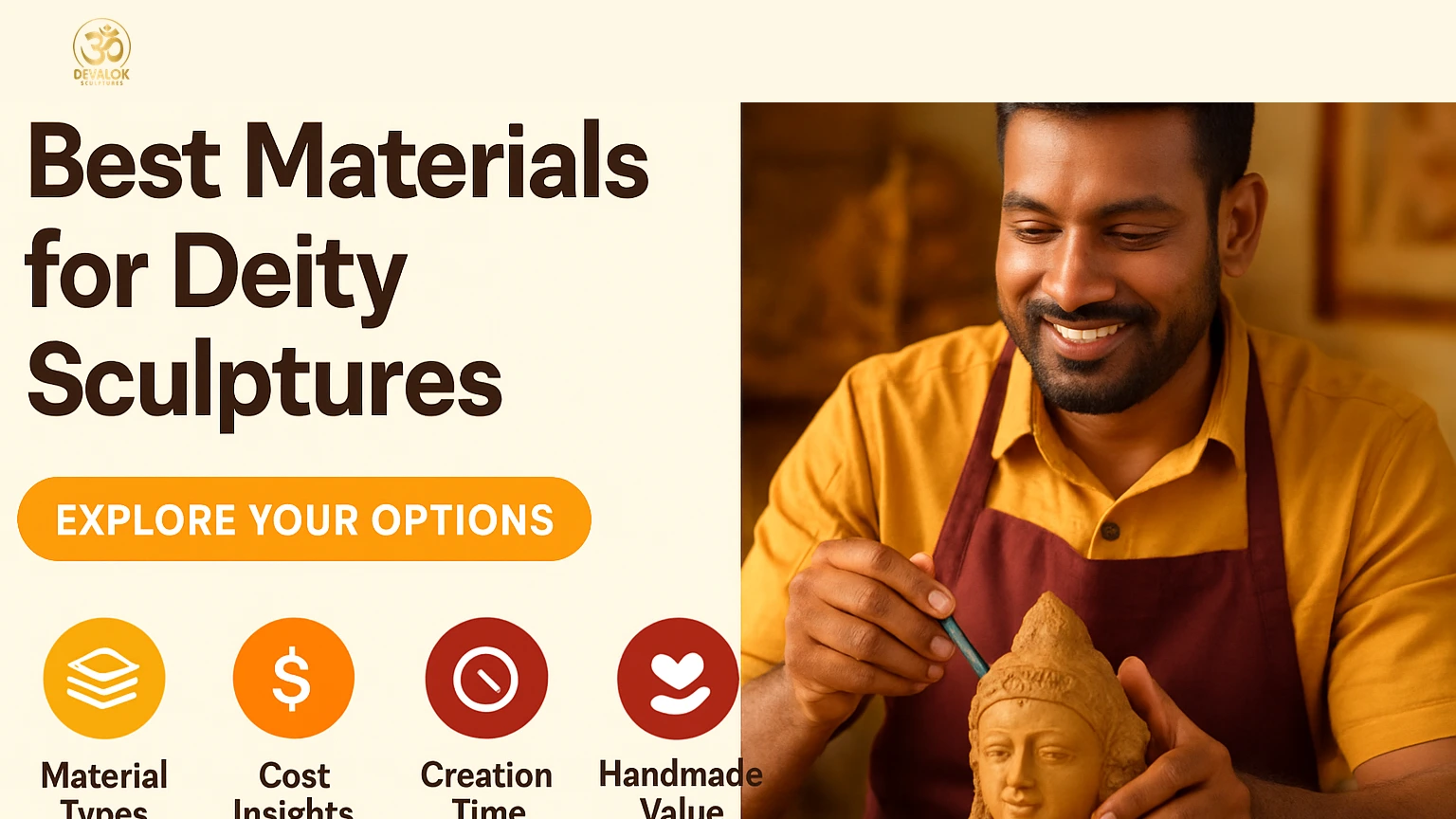


The best materials for deity sculptures significantly influence their artistry, symbolism, and longevity. Selecting the right material fosters a deeper spiritual connection and enhances the sacredness of your chosen idols. Understanding these materials will guide individuals seeking to enrich their personal or devotional spaces with meaningful craftsmanship. Each material used in crafting deity sculptures invokes a unique significance rooted in cultural heritage. Different substances resonate with distinct qualities and meanings, contributing to the sculpture’s overall impact. This exploration will unveil how various materials enhance the beauty and spiritual essence of these treasured artworks.
The best materials for deity sculptures include wood, stone, metal, resin, and ceramic. Each material carries specific qualities that resonate with spirituality and cultural traditions, enhancing the sacred value of the sculptures. Choosing the appropriate material is essential for both aesthetic appeal and emotional connection.
Wood is often favored for its warmth and natural beauty. This material connects the worshiper to the earth, symbolizing growth and nurturing energy. Various types of wood, such as teak and rosewood, not only offer durability but also attract the rich aroma of spirituality associated with traditional craftsmanship.
Stone is another revered option, suggesting permanence and strength. Sculptures carved from granite or marble evoke a sense of timelessness and stability, representing the eternal aspects of the divine. Each stone brings its own unique texture and hue, allowing for sacred expressions that resonate deeply with beholders.
Metal, particularly bronze and brass, presents durability and a spectral shine. The reflective surface of metal sculptures can symbolize illumination and the divine presence. The artistry in metalwork also allows for intricate detailing, creating captivating visual narratives that enhance worship experiences.
Different materials affect deity sculptures by influencing their durability, aesthetic, and symbolism. Materials like metal and stone offer durability, while wood provides warmth. The choice also impacts the craftsmanship, intricacy, and emotional resonance, enriching the spiritual experience associated with the sculptures.
Each material imparts specific attributes to the deity sculptures, reflecting diverse spiritual connections. Stone, for instance, offers natural strength, making the sculptures not only visually impactful but also long-lasting. This enduring quality allows devotees to engage with these icons over generations, reinforcing their spiritual traditions.
On the other hand, wood’s tactile warmth invites a more personal touch. The deep grains and textures of handcrafted wooden sculptures can create a feeling of closeness, enhancing their roles as central figures in devotional spaces. This intimate connection is often lacking in more rigid materials, emphasizing the need for considerate selection based on personal connection.
Metal sculptures provide a different effect altogether. Their often shiny and elaborate designs can create captivating reflections of light, drawing attention and admiration. The artistry involved in metal casting allows for striking details that not only enhance the aesthetic value but can also tell intricate spiritual stories, making each piece profoundly meaningful.
Options for materials used in deity sculptures include wood, stone, metal, resin, and ceramic. Each option serves unique aesthetic and spiritual purposes and is chosen based on the desired symbolism and emotional connection the buyer seeks for their personal or devotional space.
Wood, as a material of choice, offers a range of options, from robust hardwoods to soft, intricate carvings. This versatility allows artisans to craft sculptures that are both beautiful and imbued with a sense of natural spirituality, reflecting the beliefs and traditions behind the deity.
Stone, including variations such as marble and soapstone, provides a classic look while maintaining a strong historical resonance in sculpture-making. The natural patterns within the stone can symbolize the complexity of the divine, making each piece unique and laden with meaning.
Metal sculptures not only boast durability but also allow for elaborate designs that can convey deeper symbols. From bronze castings that signify strength and resilience to silver accents that add gracefulness, metal options are diverse, catering to an array of spiritual themes.
The cost of different materials for deity sculptures varies significantly based on the material used, the intricacy of the design, and the craftsmanship involved. Generally, handcrafted sculptures command higher prices due to their unique artistry and quality assurance, reflecting the value of spiritual connection.
Wooden sculptures can range from affordable to premium pricing, largely influenced by the type of wood used. For instance, exotic hardwoods will likely come at a higher expense due to their limited availability and the skill required to work with them. However, simpler designs using less expensive wood can still provide beautiful and meaningful pieces.
Stone carvings often incur higher costs due to the labor-intensive nature of the craft. The quality of the stone selected, along with the intricacy of the sculptural details, will be significant factors in determining price. Marble figures, typically considered premium, can provide a lifetime of beauty but may require substantial investment.
Metal sculptures can also vary widely in price, reflecting both the type of metal and the complexity of the design. Handcrafted pieces, especially those featuring intricate work, may join the higher end of the pricing spectrum, highlighting the artisan’s skill and time investment in crafting a unique work.
Yes, handmade materials for deity sculptures are worth it, as they emphasize quality assurance, artistry, and a deep spiritual connection. Each handcrafted piece reflects unique craftsmanship and individuality, elevating the sacredness of the idols compared to mass-produced alternatives.
Handmade sculptures carry a distinct advantage in terms of quality and detail. Artisans often invest significant time refining their craft, ensuring that each piece represents both aesthetic beauty and spiritual depth. This attention to detail affords buyers a deeper connection to the artwork, enhancing its role as an object of devotion.
Furthermore, the unique character of handmade items means no two idols will ever be identical. This individuality fosters a sacred relationship between the owner and the sculpture, symbolizing the personal journey and the spiritual connection they uphold. These factors make investing in handcrafted materials a meaningful choice.
Ultimately, choosing handmade sculptures can profoundly enhance the spiritual ambiance of one’s home or temple. The stories imbued within each handcrafted idol speak to the heart of tradition, artistry, and faith, making them invaluable additions to any devotional setting.
The creation of deity sculptures takes varying lengths of time based on the materials used and the complexity of the design. More intricate stone and metal works typically require longer crafting periods compared to wood, which can be shaped more quickly while still achieving significant detail.
For example, wooden sculptures can sometimes be created in a matter of weeks, particularly when using softer woods and simpler designs. Craftsmen can often work more quickly with wood due to its availability and the ease of carving intricate details compared to other materials.
In contrast, stone sculptures often take much longer to complete. The process of carving, polishing, and finishing stone requires a great deal of skill and time; craftsmen can spend months on a single piece. This extended timeframe is essential to achieve the desired level of detail and artistry in each creation.
Metal sculptures will also vary in time, particularly between casting methods like lost-wax casting which can be particularly time-consuming. Overall, the material’s complexity and the artist’s technique largely dictate the duration of the crafting process.
Different materials offer various advantages for deity sculptures relating to durability, symbolic significance, aesthetic appeal, and emotional resonance. These advantages encourage deeper spiritual connections and enhance the devotional experiences of those who choose to incorporate them into their sacred spaces.
Wood, for instance, provides warmth and a naturalistic quality that can create an inviting atmosphere in devotional settings. It symbolizes life and growth, making it ideal for sculptures depicting deities associated with nurturing and compassion. The versatility of wood also allows artisans to craft uniquely detailed pieces that resonate with personal tradition.
Stone conveys strength and permanence, reinforcing the eternal aspects of divine presence. Stone sculptures often embody intricate patterns of nature, enhancing their sacred symbolism. The enduring quality of stone also ensures that these sculptures withstand the test of time, making them suitable as lasting tributes to spirituality.
Metal brings a reflective quality that can symbolize illumination and purity. Metal sculptures often allow for more elaborate detailing and sophisticated designs, emphasizing the artistry involved in their creation. This level of craftsmanship can deeply engage the viewer, enhancing the spiritual connection instilled in the sculpture.
The best materials for deity sculptures include wood, stone, metal, resin, and ceramic. Each offers unique qualities, contributing to the spiritual connection, longevity, and beauty of the sculptures.
Yes, handcrafted deity sculptures are worth it as they ensure quality assurance and deeper spiritual connections. Each piece reflects unique artistry, enhancing its sacred value.
Materials significantly influence durability; stone and metal typically offer enduring strength, while wood provides moderate longevity based on care. Choosing the right material ensures the sculpture’s lasting beauty.
Using traditional materials connects sculptures to cultural heritage and spiritual significance. Each material embodies specific meanings, enriching the devotional experience associated with the deity.
Understanding the best materials for deity sculptures is essential for selecting the perfect addition to personal or devotional spaces. Whether choosing wood, stone, metal, or other options, each material carries its significance and potential for spiritual connection. Prioritizing handcrafted works not only ensures quality and longevity but also enhances the artistry and sacredness of these cherished idols.


Leave a comment